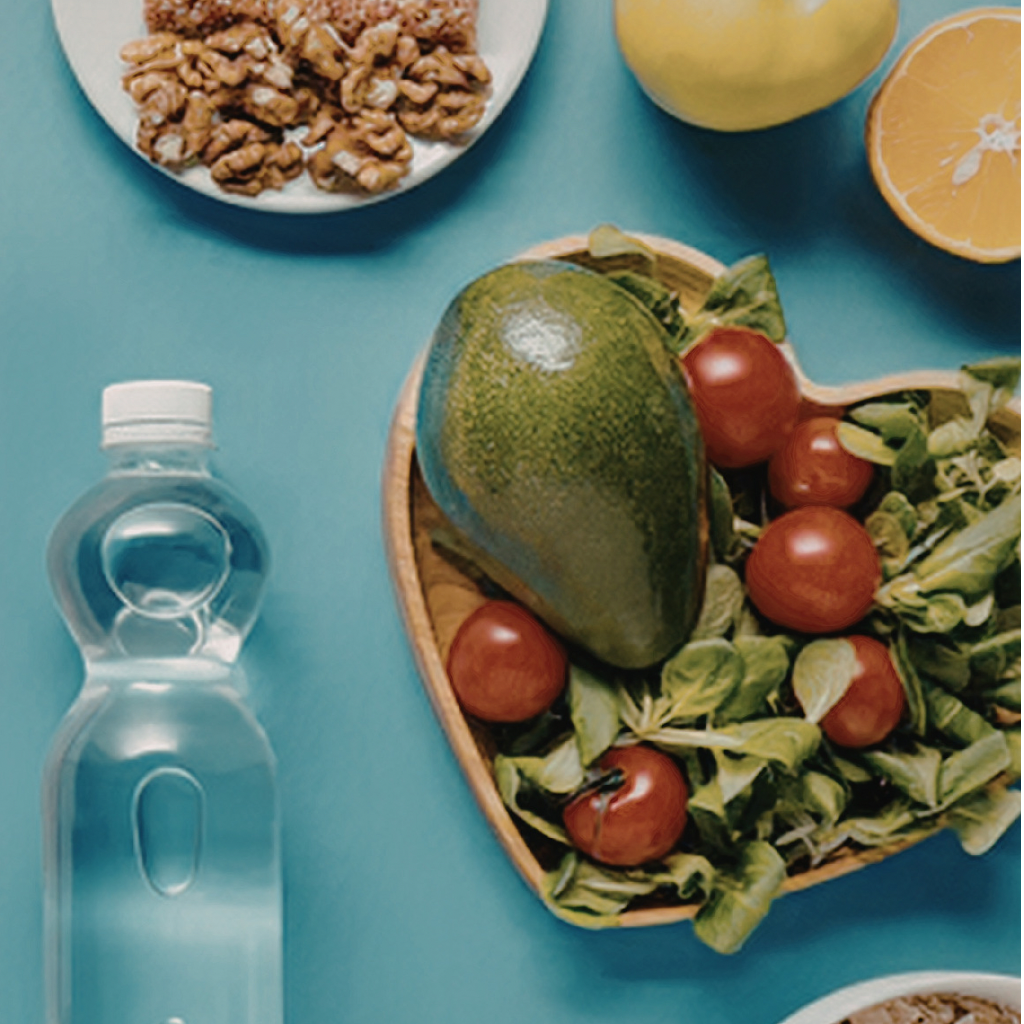
January often brings pressure to reinvent ourselves, but real change rarely comes from drastic overhauls. Gentle foundations for lasting change offer a calmer, more sustainable path that works with your mind and body, not against them. If you’re ready to step away from “new year, new me”, this approach will help you build habits that genuinely support you.
January & the Pressure to “Overhaul” Your Life
It’s January, and so everyone is under pressure to fit the “new year, new me” rhetoric. Just because it’s a new year, it’s put across that we need to transform ourselves, which can leave us feeling not good enough and overwhelmed at the thought of a big change.
These grand gestures of new diets and exercise regimes often lead to all-or-nothing thinking, restriction and unsustainable routines. They feel exciting in the first week or so, and then quickly turn into a chore — something you can’t keep up with by the end of the month.
It’s exhausting, year after year, trying to ‘start again’ and be perfect, only to end up feeling disappointed and as though we’ve let ourselves down. In reality, we’ve simply set ourselves up to fail with expectations no one could maintain.
If you’ve been doing this on repeat, it might be time to admit that it’s not working for you and that another way might be worth exploring. This new year doesn’t have to be like the rest. We don’t need to “start again” just because it’s January or Monday. Instead, we can shift the focus to small, consistent changes that support us — changes that gradually build into something meaningful.
If this sounds like something you want to understand more deeply, read on. This could be the beginning of something very different to what you’ve tried all these years.
Why Big January Overhauls Fail
We’ve been led to believe that we need to make big changes simply because a new year has begun. Although a fresh start can feel like a helpful line in the sand, making drastic changes isn’t necessary — and in many cases, it can be harmful.
Think about it: by the time January arrives, we’ve all used a huge amount of mental bandwidth navigating the busyness of Christmas. Then we’re thrown back into ‘normal life’ while it’s cold, dark, and often a month where people feel they have less money for “fun stuff”. It’s already a challenging time. So why layer a huge diet and exercise overhaul on top of that?
Our nervous system naturally resists large, sudden changes because it perceives them as potential threats. This is why gradual adjustment is generally more effective and sustainable. It works with the brain’s natural wiring to build new, stronger neural pathways over time, rather than shocking the system into panic.
Why the Nervous System Resists Big Changes
Threat response:
The brain is wired for survival and favours familiarity. Large or abrupt changes can trigger the amygdala — the emotional threat-detection centre — activating a fight-or-flight response. When stress hormones flood the system, rational thinking becomes harder, making the change difficult to accept or maintain.
Homeostasis and inertia:
The body prefers stability. Big changes disrupt that balance, and the nervous system pushes back in an effort to maintain the status quo.
Established neural pathways:
Habits sit on well-worn neural pathways. Trying to abruptly reroute them requires huge mental effort, and the brain often defaults back to the familiar because it’s more efficient.
The Benefit of Small, Gradual Changes
Small, consistent steps work with the brain’s natural mechanisms of neuroplasticity — its ability to change and adapt.
Avoids overwhelm:
Small shifts feel safer and more manageable, reducing the likelihood of triggering emotional overload or a threat response.
Builds strong neural connections:
Each small, repeated action strengthens new pathways, helping behaviours feel more automatic and sustainable.
Creates a cumulative effect:
Every small success builds confidence, which fuels the next step. Over time, these micro-adjustments add up to meaningful transformation.
Supports long-term adaptation:
Research shows that gradual adjustments lead to more complete and long-lasting change compared to sudden, intense attempts that the system struggles to sustain.
In short, the nervous system can adapt — but it thrives when change feels safe, consistent, and manageable.
Why Being Overly Restrictive Often Leads to Eating More
When you start a diet that’s highly restrictive, whatever becomes “not allowed” immediately turns into the forbidden fruit. You want it more simply because it’s off-limits. That food becomes emotionally charged, so if you do eventually eat it, it feels significant — like you’ve been “bad” or “broken the rules”.
This often spirals into guilt, failure, shame and anxiety.
The more you restrict, the more you crave the food. Eventually, you eat it — usually in larger amounts, because you know you won’t be “allowed” it again. That leads to guilt and shame, which pushes you back into restriction to compensate or to “get control”, and the cycle begins again.
This shame cycle keeps you stuck. Shame is rooted in feeling not good enough, and every loop reinforces that belief. Over time, your confidence erodes until you feel you can’t make changes — which is exactly why extreme approaches backfire.
Small Steps Really Do Add Up
Evidence shows that small steps are more effective for long-term behaviour change because they build momentum, feel achievable, and foster consistency and confidence. This is the foundation of sustainable habit formation.
The Evidence for Small Steps
Builds consistency and reduces resistance:
Small changes are easier to blend into an existing routine, making them far less likely to be abandoned.
Fosters confidence:
Achieving small goals builds self-efficacy — the belief that “I can do this” — which motivates further change.
Leads to long-term success:
Research consistently shows that gradual change outperforms drastic overhauls for maintaining habits.
Creates a compound effect:
Like small savings accumulating into large amounts, small daily actions build on each other, creating significant results over time.
Minimises cognitive load:
Once a small change becomes a habit, it requires far less mental effort, freeing up energy for the rest of your life.
Introducing Gentle Foundations
Gentle Foundations is a way of anchoring health in supportive, realistic, compassionate habits, without punishment.
There are five pillars that form these foundations:
- Nourishment without rigidity
- Supportive movement (not burn-out movement)
- Rest and recovery
- Emotional self-care and stress support
- Building consistency through micro-habits, not willpower
Let’s be clear: gentle doesn’t mean doing nothing or “letting yourself off the hook”. Gentle means making supportive choices that fit into your life and can be built gradually and sustainably. Just like the foundations of a house, these habits create a solid base that allows everything else to grow.
These foundations matter because they give you stability — the very thing that’s missing in the all-or-nothing cycle. When you no longer rely on willpower or strict rules, you create space for routines that feel safe, repeatable and nourishing. Gentle Foundations help you shift away from chasing perfection and towards building habits that genuinely support your energy, mood and relationship with food.

Why Gentle Foundations Are Essential for a Healthy Relationship with Food
Struggles with food are rarely about the food. They’re usually about unmet needs; stress, exhaustion, poor sleep and a lack of structure. When these basic needs – or foundations – aren’t in place, it becomes very difficult to make meaningful change to the way we eat. This is why so many people feel they have “failed” their diet when in reality, the diet didn’t support their actual life.
Small, stabilising routines calm the nervous system, reduce emotional eating and improve appetite regulation. They also help you rebuild trust in yourself, because your choices start coming from a place of support and care rather than punishment or criticism. Sustainable nourishment comes from a stable foundation, not a perfect plan.
When these foundations are in place, food stops feeling chaotic or all-consuming. You’re able to recognise hunger and fullness more clearly, you feel more grounded in your choices, and you no longer rely on strict rules or willpower to “stay on track”. This is the shift that allows people to break out of the all-or-nothing cycle and build a calmer, more compassionate relationship with food — one that grows over time rather than collapses after a few weeks.
Real-Life Examples: What Gentle Foundations Look Like in Practice
So what does this actually look like day-to-day? Gentle Foundations are about small, supportive actions that bring a sense of steadiness to your routines — things that work with your life, not against it. They don’t need to be big, impressive or perfect. In fact, the most effective changes are often the simplest.
Some examples might include:
Adding a glass of water to each meal
- A 10-minute morning walk to reset your mind and energy
- Eating regular meals instead of “being good all day”
- Adding one nourishing food each day
- Keeping a short gratitude or reflection journal
- A bedtime wind-down routine to improve sleep
- Focusing on meal structure rather than meal perfection
These examples aren’t rules to follow; they’re starting points. Gentle Foundations are meant to feel flexible and adaptable, so it’s important to experiment and find what genuinely supports you. The goal isn’t to create another rigid plan, but to build a steady base that helps you feel more grounded, nourished and in control over time.
How This Approach Helps You Break the All-or-Nothing Cycle
By creating foundations that support a calmer nervous system and meet your basic needs, you put yourself in a much better position to work on your relationship with food. When you move away from the all-or-nothing mindset — “I’m either dieting hard or I may as well eat everything” — and take on a small-steps approach, you gradually build a more flexible and reliable way of making food choices.
Here’s how the new cycle can look:
- Gentle steps break the cycle of “good vs bad eating.” All foods can be included, while small changes slowly improve the balance and nourishment of your diet.
- You build trust in yourself rather than relying on external rules. This helps you tune into what your body genuinely needs, making it easier to feel satisfied by your food choices.
- You start feeling better faster — without the crash. One small step might not feel dramatic, but over time these changes gather momentum. You begin to feel more energised and focused, and your mood becomes less dictated by the scales or calorie counts because you have foundations that support emotional and stress regulation.
Consistency becomes possible because the steps are realistic.
This approach leads to increased confidence, reduced anxiety around food and a greater enjoyment of eating — without the pressure, guilt or swings between extremes.
Reframing January: From Reinvention to Realignment
This year I invite you to see January not as:
- a time to fix yourself
but instead as…
- A time to reconnect with what supports you.
- A time to choose sustainable health over quick fixes.
- A time to build foundations that last beyond February
A Simple Starting Point: “Choose One Foundation This Month”
Pick one small thing that supports your energy, mood, or nourishment and practise it with compassion.
One gentle step is enough to begin.
Encouragement + Invitation to Explore Further Inside the Community
I want to encourage you to take things slowly this year – not so slow that you feel stuck, but slow enough that you are in charge. Think of the hare and the tortoise: we all know that slow and steady wins the race.
Building new routines is simple in theory but harder in real life. This is where people often get stuck – knowing what to do, but not having the guidance or support to stay consistent. Inside Nourish & Flourish, we’re taking this month’s theme of Gentle Foundations deeper together.
What will we be up to in the community?
- A gentle challenge to help you choose your first foundation
- A live Q&A where you can ask about your specific barriers
- Coaching-style posts to guide you through the messy middle
- Community support so you don’t have to do it alone
There’s no pressure to do everything. It’s a space to take things at your own pace
Want to come and join us and build the foundations of your health? Press the link here
We can’t wait to welcome you!
And if you feel you need more personalised support with your relationship with food, I also offer 1:1 coaching. You can find out more here
Disclaimer
The information in this blog is for general guidance only and not a substitute for personalised medical advice. Always discuss health concerns with your GP or qualified professional. If you or someone you know is struggling with an eating disorder, please seek specialist support.