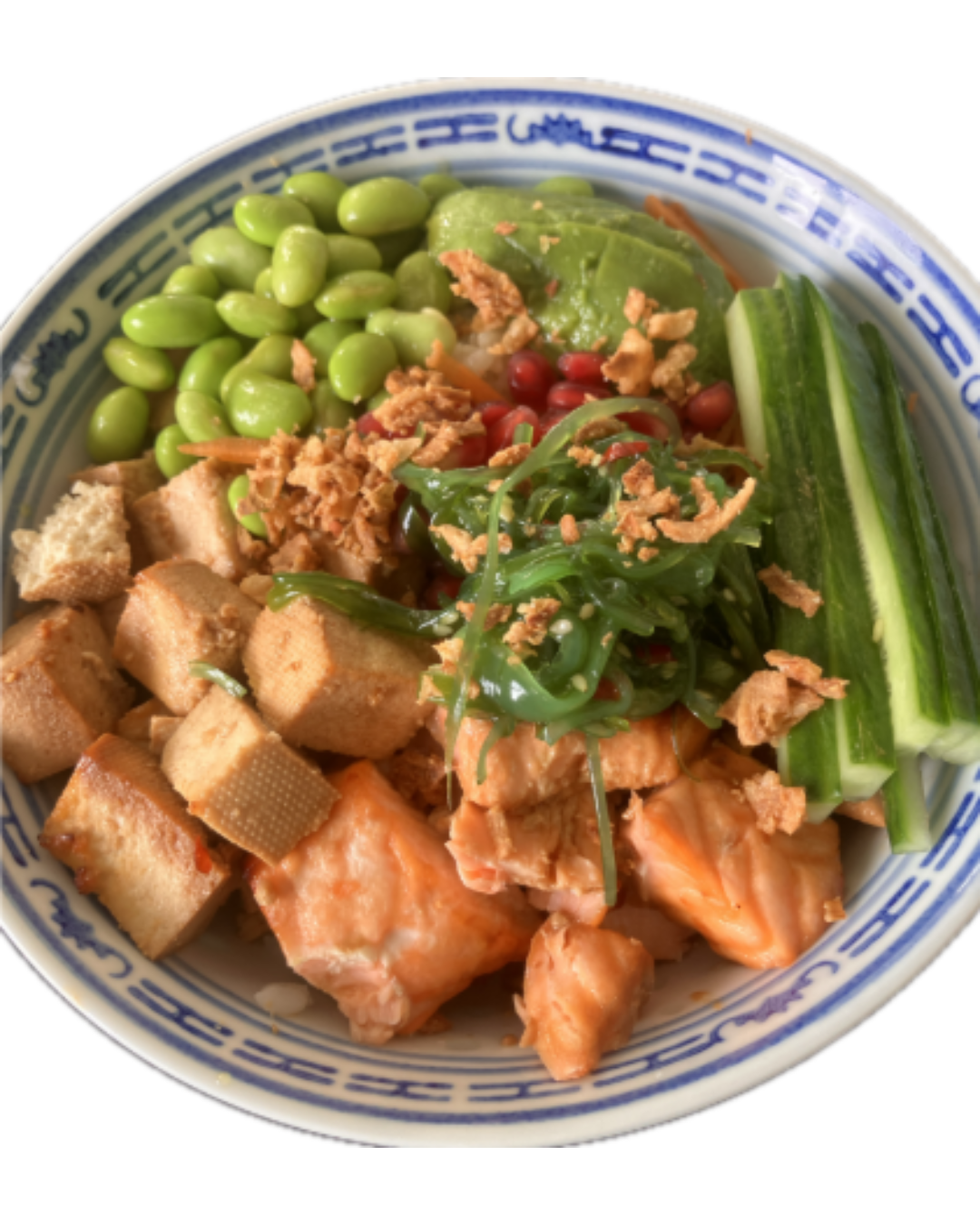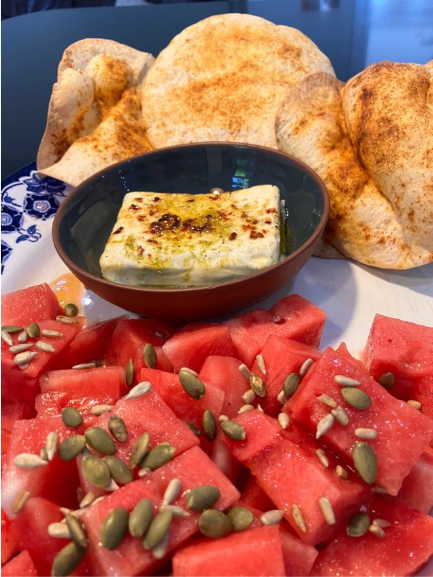
There is so much confusion around portion sizes and what actually makes a “balanced meal”
Nutrition can often feel overwhelming, with messages telling us we need to track calories, hit protein targets, avoid certain foods or count everything we eat in order to be healthy.
For some people, tracking food can feel helpful. However, for many, it becomes an arduous and unsustainable process. For those who struggle with their relationship with food or have a history of dieting or disordered eating, calorie counting and tracking can become particularly unhelpful, creating anxiety around “hitting targets”, guilt around “going over”, and removing flexibility and enjoyment from eating.
Eating well shouldn’t require perfection.
Learning how to build balanced meals can provide enough structure to support your health whilst allowing flexibility and helping you reconnect with your body’s own hunger, fullness and satisfaction cues.
Why balance matters
Our bodies need carbohydrates, protein and fats to function well. These nutrients work together to support:
- Energy levels
- Hormone health
- Mood and concentration
- Muscle health
- Gut health
- Bone health
- Immune function
- Satisfaction after meals
When meals are missing key nutrients, you may find yourself feeling hungry shortly after eating, experiencing low energy, thinking about food constantly or feeling preoccupied by what you’re going to eat next.
Many people describe this as “food noise” – persistent thoughts about food that can become exhausting. Sometimes, simply eating enough and building balanced meals can help quieten some of that noise.
Many women I work with have spent years trying to eat less, cut out food groups or follow rigid plans. Over time, this can leave us relying on external rules rather than internal cues, making eating feel complicated and stressful.
Whilst calorie counting and macro tracking have a place in certain circumstances, they are not essential for good health and may not be appropriate for everyone. For those with a history of yo-yo dieting, emotional eating or disordered eating patterns, constantly tracking food can reinforce anxiety around eating and make it harder to trust ourselves.
A balanced plate approach offers a gentler framework. It provides guidance without requiring weighing, measuring or striving for perfection.
How do I build a balanced meal?
There is a concept called plate planning, and it helps you to create balanced meals without weighing food, calorie counting or tracking.
Once you know the building blocks of a meal, you can use this to easily build meals that will give you everything you need in terms of nutrition and satisfaction.
Remember that we can aim to eat balanced meals most of the time, don’t worry if some meals or missing something or aren’t quite the right proportions, just use this as a guide for your everyday.
Why do we need to drink regularly?
Water is essential to life.
60-70% of your body is made of water and it plays a role in almost every bodily system, such as:
- Temperature regulation
- Digestion
- Healthy skin
- Healthy blood pressure
- Transporting nutrients and oxygen
- Removal of waste
- Breathing
- Lubricant and shock absorber in joints
- Brain function
So drinking enough water each day is important to both short and long term health.
There are several medical conditions that have been shown to be impacted with regular dehydration such as constipation , kidney stones, urinary tract infections and consistent mild dehydration can lead to chronic kidney disease over time.
What does a balanced plate actually look like?
There is no one perfect plate and different people have different needs depending on factors such as:
- Age
- Activity levels
- Appetite
- Hormonal changes
- PMOS*
- Menopause
- Medical conditions
- Personal preferences
We are all unique and different foods will serve us at different times, and we can be more or less hungry on different days so a guide to follow that can be adapted for how you feel on the day is more helpful than strict numbers or meal plans.
Nutrition should never be ‘one size fits all’, plate planning offers you that guide. A starting point which you can then use to help you find what works best for you as you learn more about intuitive eating practices.
Generally, I encourage clients to think about their plate sitting somewhere between a thirds model and a half-plate vegetable model depending on their needs.
What is plate planning?
So, here’s how plate planning works…
The plate method involves imagining a standard-sized dinner plate divided into 3 equal sections. Each section is filled with a certain food group to create a healthy and filling meal.
Think about your plate in thirds:
- A third of the food is a protein source
- A third of the food is carbohydrate
- A third of the plate is vegetables and fruit
and then ‘accessorise’ with healthy fats e.g. avocado, olive oil, seeds, spread
Some plate planning divides the plate into thirds for vegetables, protein and carbs. A balanced plate usually falls somewhere between a thirds model and a half-plate vegetables model. The balance depends on your goals, appetite, and health needs- again highlighting this is a guide and can be adapted to meet your needs.
Higher-vegetable pattern (closer to half plate)
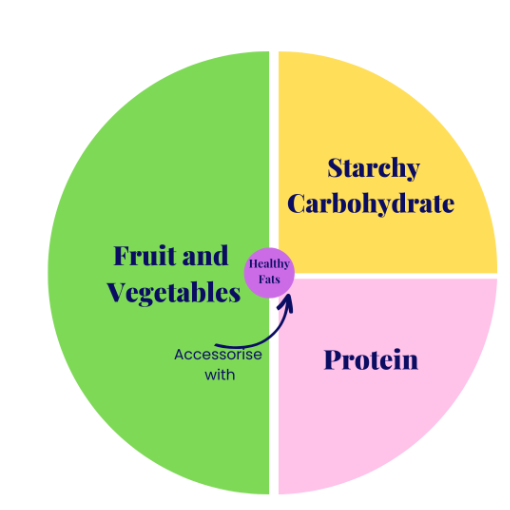
- ½ vegetables (and/or fruit)
- ¼ protein
- ¼ carbohydrates (preferably high-fibre)
Often used for:
- Weight management
- Type 2 diabetes or insulin resistance
- Cardiometabolic risk reduction
Balanced general-health pattern (closer to thirds)
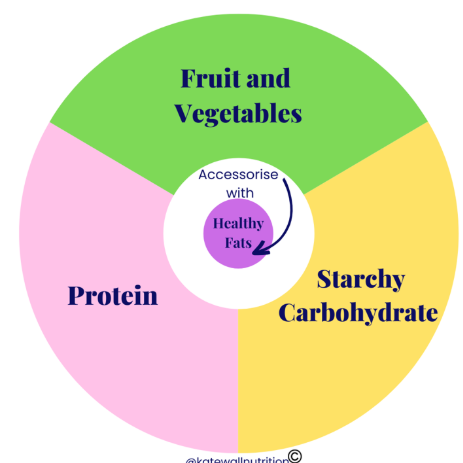
- ~⅓ vegetables
- ~⅓ starchy carbohydrates
- ~⅓ protein
Often used for:
- General population
- Active individuals
No need for perfect portions
I really want to emphasise this is a guide- some people may have slightly more or less of certain foods to meet their needs or meal by meal- it is not set in stone, but it helps you think about making sure all the food groups are on the plate in a flexible way without rules.
The Plate Method helps you eat more fibre and protein at each meal. These nutrients are slowly digested and help you feel full. Protein and fibre are essential for helping you stay satisfied between meals to reduce constant hunger, snacking, and food cravings and gain all the health benefits associated with fibre that we discussed a couple of months ago
Mixed meals: are meals that combine two different elements of a balanced plate e.g. lasagna (protein and carbs combined) or chicken stir fry (protein and veg combined). Simplify the portioning so that the mixed components take up ⅔ of the plate (e.g. tofu and vegetable curry) and the remaining ⅓ for the carbohydrate (e.g. rice)
What counts as carbohydrates?
Carbohydrates are often misunderstood, but they are our body’s preferred source of energy and an important part of a balanced diet.
Examples include:
- Bread
- Pasta
- Rice
- Potatoes
- Oats
- Breakfast cereals
Choosing higher fibre options where possible can help support gut health, blood sugar management and fullness and reduce risk of certain diseases if eaten regularly over time.
What counts as protein?
Protein helps support muscle health, immunity and satiety and becomes particularly important during midlife and menopause.
Examples include:
- Chicken
- Fish
- Eggs
- Lean meat
- Tofu and tempeh
- Beans and lentils
- Greek yoghurt
- Cottage cheese
- Milk
- Nuts and seeds
Don’t forget healthy fats
Most people already know they should drink more water. The problem isn’t a lack of information – it’s that “just driFat is essential for hormone production, brain health and absorbing certain vitamins.
Examples include:
- Olive oil
- Avocado
- Nuts and seeds
- Nut butters
- Oily fish
- Cheese
Dairy foods matter too
Dairy foods are not part of the plate planning as they don’t need to be included at every meal, but it is recommended women eat 3 portions of dairy a day so this is something you can add to meals and snacks as it fits (and often may count towards your protein section e.g. natural yogurt)
Dairy foods and fortified alternatives provide important nutrients including protein, calcium, iodine and vitamin B12.
These nutrients are particularly important for women with PMOS* and during perimenopause and menopause, when supporting bone health becomes increasingly important.
Examples include:
- Milk
- Yoghurt
- Cheese
- Fortified plant-based alternatives
If you avoid dairy, it can be helpful to ensure you’re choosing fortified alternatives and meeting your calcium requirements in other ways.
Why plate planning can be helpful
- Removes decision fatigue
- Supports fullness and appetite
- Increases the nutritional value of your meals without lots of extra effort
- Encourages variety (pick and mix the different food groups to fill the different meal plates)
- No weighing, tracking or obsessing over each meal
- Reduced cravings
- Improve energy
- Improve relationship with food and build trust in yourself around food
Sustainability:
- Too rigid rules reduce long-term compliance
- Flexible structure improves sustainability
What if I don’t have time to cook?
Balanced meals don’t need to be complicated or homemade from scratch.
Convenience foods can absolutely be part of a healthy diet.
You can still consider this approach when you are out and about. Maybe you are grabbing a quick lunch in the supermarket. If you think with the plate planning approach you can look for items that will offer you all the elements of the plate- you don’t need to be eating off a plate to use this tool!
For example, a tuna sandwich on wholemeal with a carrot and some cherry tomatoes, along with a small pot of natural yoghurt and piece of fruit
Other examples could be:
- Microwave rice with pre-cooked chicken and vegetables
- Fish fingers, peas, sweetcorn and potatoes
- A ready meal with added vegetables
What if I don’t have time to cook?
No.
For many people, learning to build balanced meals and eating regularly can be enough to support their health, energy levels and relationship with food.
In fact, stepping away from tracking and calorie counting can be incredibly freeing.
Many clients tell me they notice:
- Less food guilt
- Fewer cravings caused by under-eating
- Reduced food noise and fewer intrusive thoughts about food
- More trust in their body’s signals
- Greater enjoyment around food
- More flexibility when eating out or socialising
If you’ve ever felt like food occupies far too much space in your mind, you’re certainly not alone. For many people, eating regularly and including enough carbohydrates, protein and fats throughout the day can help reduce some of that mental preoccupation with food.
Can you lose weight without counting calories?
Many people assume that weight loss requires strict calorie counting, tracking apps or rigid food rules.
Whilst weight changes can occur without counting calories, my approach isn’t centred around pursuing weight loss goals. Instead, I encourage clients to focus on building sustainable health behaviours that support both physical health and their relationship with food.
When we consistently nourish ourselves with regular, balanced meals, include all food groups and tune into our body’s cues, we often find that energy levels, mood, cravings and food preoccupation improve.
For some people, weight may change as a result of these changes. For others, it may not. But health is about so much more than a number on the scales.
Rather than asking, “How can I lose weight?”, I often encourage clients to consider:
- How can I nourish my body consistently?
- Am I eating enough during the day?
- How can I support my energy levels?
- What habits feel sustainable long term?
Why diets and food rules can harm your relationship with food
Many of the women I work with have spent years dieting.
They’ve tried slimming clubs, calorie counting, cutting out carbohydrates, “being good” during the week and starting again every Monday.
Over time, these external rules can disconnect us from our own hunger, fullness and satisfaction cues.
Food can start to feel stressful rather than enjoyable. We may find ourselves constantly thinking about what we should or shouldn’t eat, feeling guilty after eating certain foods or believing we’ve “failed” when we eat something that wasn’t part of the plan.
For some people, this can develop into patterns of emotional eating, binge eating or cycles of restriction followed by overeating.
Whilst tracking and calorie counting may be appropriate in certain circumstances; they are not harmless tools for everyone. In people with a history of dieting, disordered eating or a difficult relationship with food, they can sometimes reinforce anxiety around eating and make it harder to trust ourselves.
This is one of the reasons I often use a plate-planning approach with clients. It provides enough structure to support health and nutrition, whilst allowing flexibility, variety and enjoyment. There is no need to weigh foods, count calories or strive for perfection.
How does plate planning reduce cravings?
Often we are developing cravings because we are not satisfied from our meals- if we don’t have enough of something, it leaves us wanting… you can fill up on salad leaves, but it does not feel a satisfying meal- add in some chickpeas, a yoghurt dressing, a pitta bread and suddenly you are left feeling full and satisfied- this can really help to reduce the food thoughts between meals and ensure your body has what it needs to function at its best
If people struggle with relationship with food diets, plans, rules and restriction can only make this worse, this can lead to you stopping doing anything as it doesn’t leave you feeling good or move you towards your goals. Even if struggle with your relationship with food, you may still want to know how to eat healthily and in a balanced way, you just need something more flexible and acting more as a guide than a rule book that can help you move towards a more intuitive approach to eating- listening to body, not set targets.
Keeping food interesting
Some diets involve preparing and eating the same foods on repeat. A lack of variety can be boring, restrictive, and hard to maintain. Less variety also makes it a challenge to get all the nutrients you need to support good health.
The Plate Method encourages eating an assortment of foods from all food groups. By including vegetables, fibre-rich carbohydrates, and lean proteins on each plate, you’ll automatically be eating nutritious meals.
The Plate Method also helps you simplify meal planning and food shopping since you know which foods to include at each meal
Satisfaction Factor
When planning meals, we not only want them to be filling and meet our nutritional needs, but also to be satisfying- that feeling that it has ‘hit the spot’. When we feel both full and satisfied, we then feel content and often this can reduce food noise and ensure we can get on with our day until it is time to eat again.
Adding flavour through condiments, spices and herbs can improve the satisfaction factor of a meal.
Common ingredients that can support this are presto, mayonnaise, nuts, seeds, salad dressing, cheese.
Some examples of how we add might increase our satisfaction factor through flavour and texture is:
- Mixing through a spoon of pesto into salad or roasted vegetables
- A drizzle of olive oil on top of your avocado toast
- Using mayonnaise or a salad dressing to add flavour to a salad
- Adding nuts and nut butter to your granola and yoghurt bowl
- Adding feta cheese to a salad
- Topping a meal with seeds or croutons for crunch
Examples of balanced meals
Balanced eating doesn’t have to involve complicated recipes or hours spent in the kitchen.
Breakfast
- Eggs, x2 wholemeal toast, tomatoes, mushrooms and/or avocado
- Natural Yoghurt, berries, nuts and seeds
Lunch
- Wholemeal bread sandwich with tuna mixed with hummus, carrot sticks, cherry tomatoes and cucumber
- Jacket potato with baked beans and salad
Evening Meal
- Noodles, tofu, stir fry veg pack
- Chicken breast, Wholegrain pasta, courgettes, peas and spinach, olive oil drizzle
- Vegetable curry with lentils, chickpeas and naan bread
- Salmon, rice and roast vegetables
- Airfryer turkey meatballs, Greek salad and wholemeal pitta
Snack ideas
Combining carbohydrates with protein or fats can help keep us fuller and more satisfied between meals.
Examples include:
- Fruit and nuts
- Crackers and cheese
- Toast with peanut butter
- Greek yoghurt and berries
- Hummus with pitta bread
- Trail mix
Do all meals need to be balanced?
Absolutely not.
One meal, one day or one weekend doesn’t determine your health. We don’t need to eat ‘perfectly’ all the time.
If we want to support our health and wellbeing in the short and long term then it is positive to aim for balanced meals most of the time, but there will always be times where that doesn’t happen for varying reasons, whether that be enjoying a delicious meal out with friends, being in a rush- life happens!
Some meals may contain more carbohydrates, others more vegetables and sometimes food is simply about enjoyment, social connection or convenience.
Why I prefer plate planning over calorie counting
As a Nutritionist, I often use a plate-planning approach with clients because it provides enough structure to support health without relying on numbers, weighing or tracking.
For many people, calorie counting becomes another set of rules to follow. It can take us away from our body’s own cues and leave us feeling like we’ve failed if we don’t hit certain targets.
Plate planning offers a middle ground.
Rather than focusing on perfection, it helps us think about what we can add to meals to support energy, satisfaction and nourishment. It encourages flexibility and recognises that our needs change from day to day.
Healthy eating doesn’t have to be all or nothing.
Because ultimately, eating well isn’t about achieving perfect balance at every meal. It’s about creating patterns and habits that support your physical health, your mental wellbeing and your relationship with food over the long term.
Need support with your relationship with food?
If you’re tired of dieting, calorie counting or feeling confused by conflicting nutrition advice, I can help you develop a more balanced and sustainable approach to eating.
Whether you’re navigating PMOS*, menopause, emotional eating or simply want to feel more confident around food, you’re not alone.
How I can support you to improve your relationship with food
- Find out more about my 1:1 nutrition services here,
- Book a free, no obligation discovery call or
- Join our online nutrition community Nourish and Flourish
*PMOS: Formally PCOS

Disclaimer
The information in this blog is for general guidance only and not a substitute for personalised medical advice. Always discuss health concerns with your GP or qualified professional. If you or someone you know is struggling with an eating disorder, please seek specialist support.